Craniosacral Massage in NW Portland
Gentle, trauma-informed work for the nervous system, the fascia, and the patterns that have not released with direct pressure.
When something is held, and nothing else has reached it.
Most people who come to me for craniosacral therapy in Portland have already done a lot of work.
Therapy. Yoga. Breathwork. Physical therapy. Chiropractic. Acupuncture. Regular massage. And still, something is held. A tension pattern that returns. A migraine cycle that nothing breaks. A jaw that will not stop clenching. A nervous system that feels braced in a way that sleep does not touch. A sense, sometimes hard to name, that something in the body is stuck and wants to be met gently.
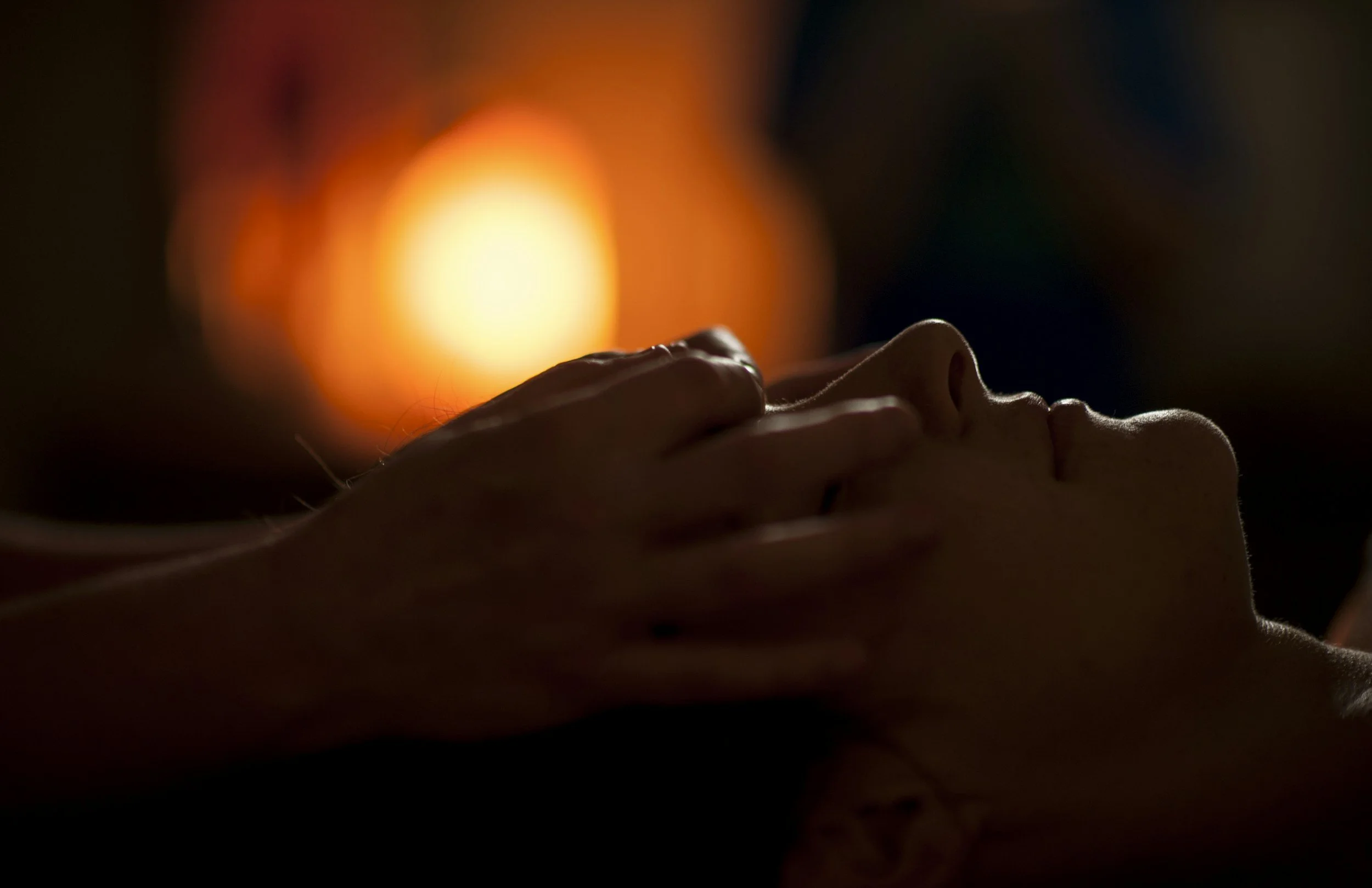
Craniosacral therapy meets that. It is a gentle, non-invasive approach that works with the rhythm of the cerebrospinal fluid to release deep tension in the head, neck, spine, sacrum, and throughout the connective tissue. It uses a very light touch, far less pressure than a standard massage, to create conditions where the nervous system can step out of a held pattern and find its own way back to ease.
Many clients arrive skeptical that something so gentle could accomplish what more direct approaches have not. Most leave feeling a release they did not expect. The body tends to respond to permission more than to pressure, and craniosacral therapy is, at its core, the practice of offering that permission.
A collaboration, not a protocol
Every craniosacral session is a conversation between your body, your lived experience, and 22 years of clinical listening. All three hold equal weight.
You know your body in ways I cannot access from the outside. You know what has been happening, what has shifted, what feels different this week. What you notice during the session, a wave of warmth moving through an area, a catch in the breath, a memory that surfaces, a part of the body suddenly asking for attention, shapes where we go next. I bring the training and the tactile sense to meet what is there. But the direction the session takes is something we find together.
We begin where you arrive. You lie fully clothed on the table. I make contact at whichever point makes sense for what you are bringing in, often the sacrum, the feet, the head, or the diaphragm, and simply listen. What the tissue is doing. How the rhythm feels. Where it is free, where it is restricted, where it is waiting for attention. From that first listening, the session builds at whatever pace your body sets.
There is no pressure to feel anything specific. Sessions often look very still from the outside and feel very active from the inside. Some clients experience clear physical release. Others notice emotional shifts. Some drift into a deep rest they have not experienced since childhood. All of these are correct responses. The body is doing what it needs to do.
Learn more about Craniosacral Massage
Craniosacral therapy is particularly effective for conditions that involve the nervous system, the connective tissue, or patterns that have not responded to direct pressure. Over 22 years of practice, clients have come to me with:
Tension headaches and migraines, including cycles that recur despite other treatment
Jaw tension, TMJ dysfunction, and the clenching that lives in the face and skull
Post-concussion symptoms, lingering head pressure, brain fog, and sensory sensitivity after mild traumatic brain injury
Neck tightness that persists despite massage, chiropractic, or physical therapy
Chronic pain that has not responded to more direct approaches
A nervous system that feels chronically activated, braced, or unable to settle
Tension held after physical or emotional trauma, trauma-informed craniosacral work meets the body where it is, at the pace the body sets
Support during and after illness, medical treatment, or periods of sustained stress
Sleep disturbance linked to nervous system dysregulation
Emotional processing that is living in the body and has nowhere else to go
Craniosacral massage is also often the right starting point for clients whose bodies are not yet ready for deep tissue or myofascial work. When the nervous system is too activated for direct pressure to be useful, craniosacral creates the settling that allows deeper work to land later.
This session is built for you if
You have done other somatic, therapeutic, or healing work and are looking for something that goes deeper into the nervous system
You are drawn to practitioners who work slowly and listen carefully rather than impose
You have tried regular massage and found that the relief, while genuine, did not reach the pattern underneath
You are a therapist, yoga teacher, bodyworker, or integrative practitioner; somatic literacy makes you an especially good fit for this work
You are looking for trauma-informed bodywork in Portland that holds safety, pacing, and consent as foundational, not optional
You are recovering from a concussion, whiplash, surgery, or illness, and your body needs gentle, nervous-system-focused support rather than deeper pressure
You are living with chronic migraines, TMJ dysfunction, or jaw tension that has not responded to other approaches
Something is held in your body that you cannot quite name, and you want it met without being hurried
22 years of craniosacral practice

Craniosacral therapy is one of the modalities I have practiced the longest and return to most often. Over 22 years, I have worked with hundreds of bodies carrying the kinds of patterns this work reaches, and the work has shaped how I understand what the body is capable of.
I offer craniosacral therapy as a dedicated session and also as a central thread within blended therapeutic work. Many clients begin with dedicated craniosacral sessions and eventually move to sessions that combine craniosacral with myofascial release or other techniques as their nervous system shifts and their body asks for different kinds of contact. Some clients stay with a dedicated CST indefinitely. Both paths are correct. The body leads.
Book Your Session Today
30 - 45 - 60 min | $60 - $90 - $120
Six steps to better results
-
Find Your Fit
Find the right therapist for your body. Not every practitioner is the right fit for every client. Look for someone whose approach, training, and pace match what your body actually needs.
-
Set An Intention
Set your intention before you arrive. What do you want to address? What would feel like a successful session? Even one clear goal sharpens the work.
-
Communicate Your Needs
Communicate your goals and preferences. You know your body. Tell me what you are noticing, where it hurts, what has helped or not helped before. The more you bring, the better we can build the session together.
-
Let Us Know
Speak up during the session if something is not working. Pressure, focus area, pace, all of it can shift in the moment. Your feedback while we work is one of the most useful things you can give me.
-
After Care
Drink water and slow down afterward. The work continues for hours after you leave the table. Hydration and a lighter rest of the day let your body integrate.
-
Take Care Of Yourself
Build self-care between sessions. Stretching, walking, breathwork, and sleep. The session is a part of your care, not all of it. What you do between visits is what makes the changes last.
FAQs
-
Craniosacral therapy is a gentle form of bodywork that works with the connective tissue surrounding the skull and spine, and with the autonomic nervous system. The touch is light, still, and patient, far less pressure than a standard massage. Most clients describe the experience as deeply restful, sometimes meditative, and notice their body settling into a state that is hard to reach any other way. The effect can be surprisingly deep despite the lightness of the work.
-
Craniosacral therapy is especially well suited to tension headaches, migraines, TMJ and jaw tension, chronic neck tightness, nervous system overwhelm or hypervigilance, accident recovery and post-concussion symptoms, anxiety and sleep disruption, and chronic patterns that have not responded to direct pressure. It is also used as part of broader recovery from stress, trauma, and the held tension of a nervous system that has been activated for a long time.
-
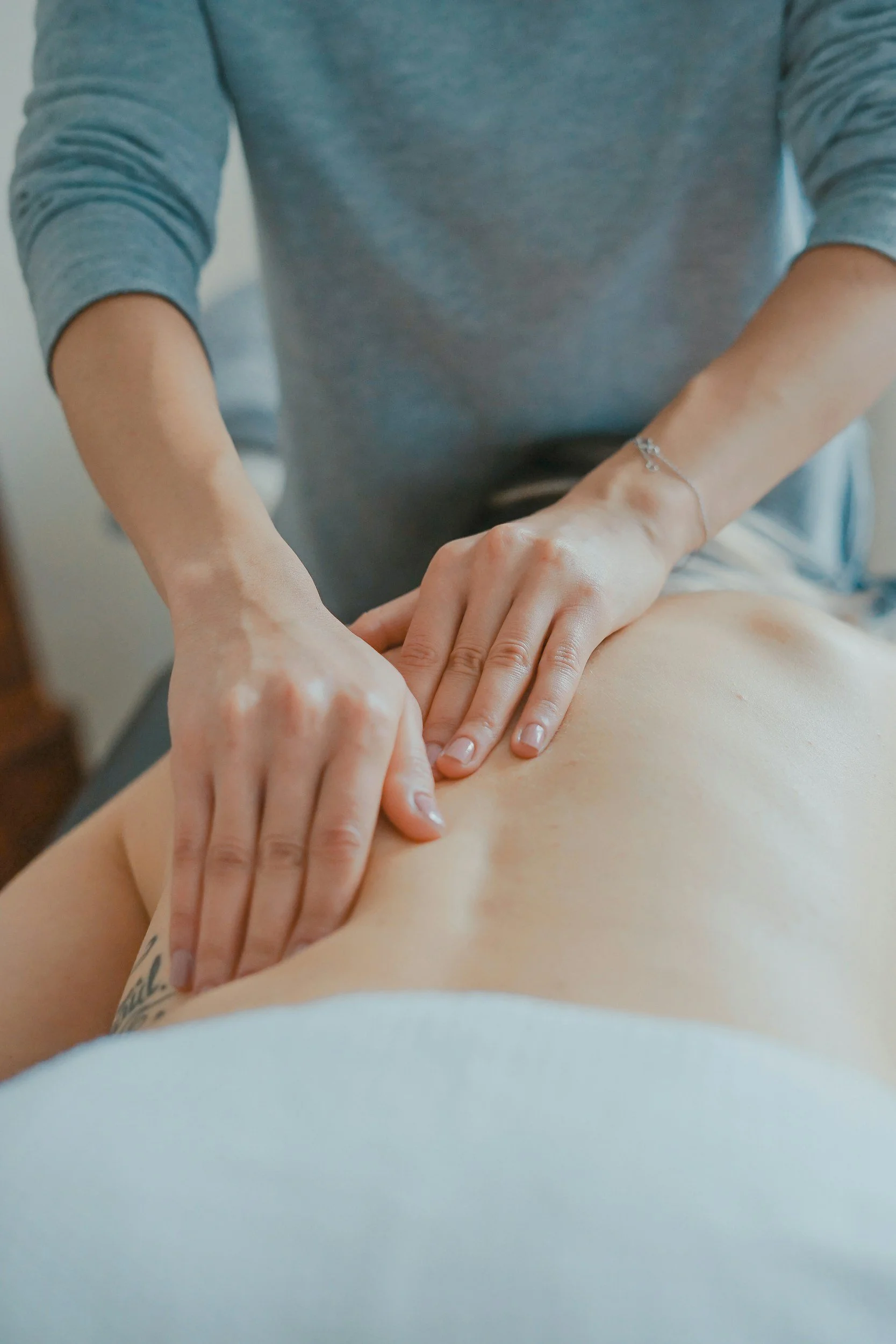
Regular massage works through the muscular and fascial layers using direct pressure. Craniosacral therapy works with the connective tissue around the skull and spine and with the nervous system itself, using very light contact. For patterns that have not responded to direct pressure, or for clients whose nervous systems are not ready for deeper work, craniosacral often reaches what other approaches cannot. The two are complementary, and at Alacrity, both are often woven into a single session.
-
Some clients notice meaningful shifts within the first or second session, particularly when the work is meeting a recently activated nervous system. For longer-standing patterns, the work often unfolds over the course of several sessions, with deeper change accumulating over weeks rather than within a single visit. Craniosacral therapy is rarely a one-session intervention for chronic patterns, but it is genuinely effective when given the room to work over time.
-
Craniosacral therapy is often used as part of post-concussion recovery, and many clients find the gentle, nervous-system-focused approach well-suited to bodies that are not yet ready for direct pressure. That said, any work after a concussion or significant head injury should be discussed with your physician first. Once you have medical clearance, craniosacral can be a useful part of a broader recovery plan.